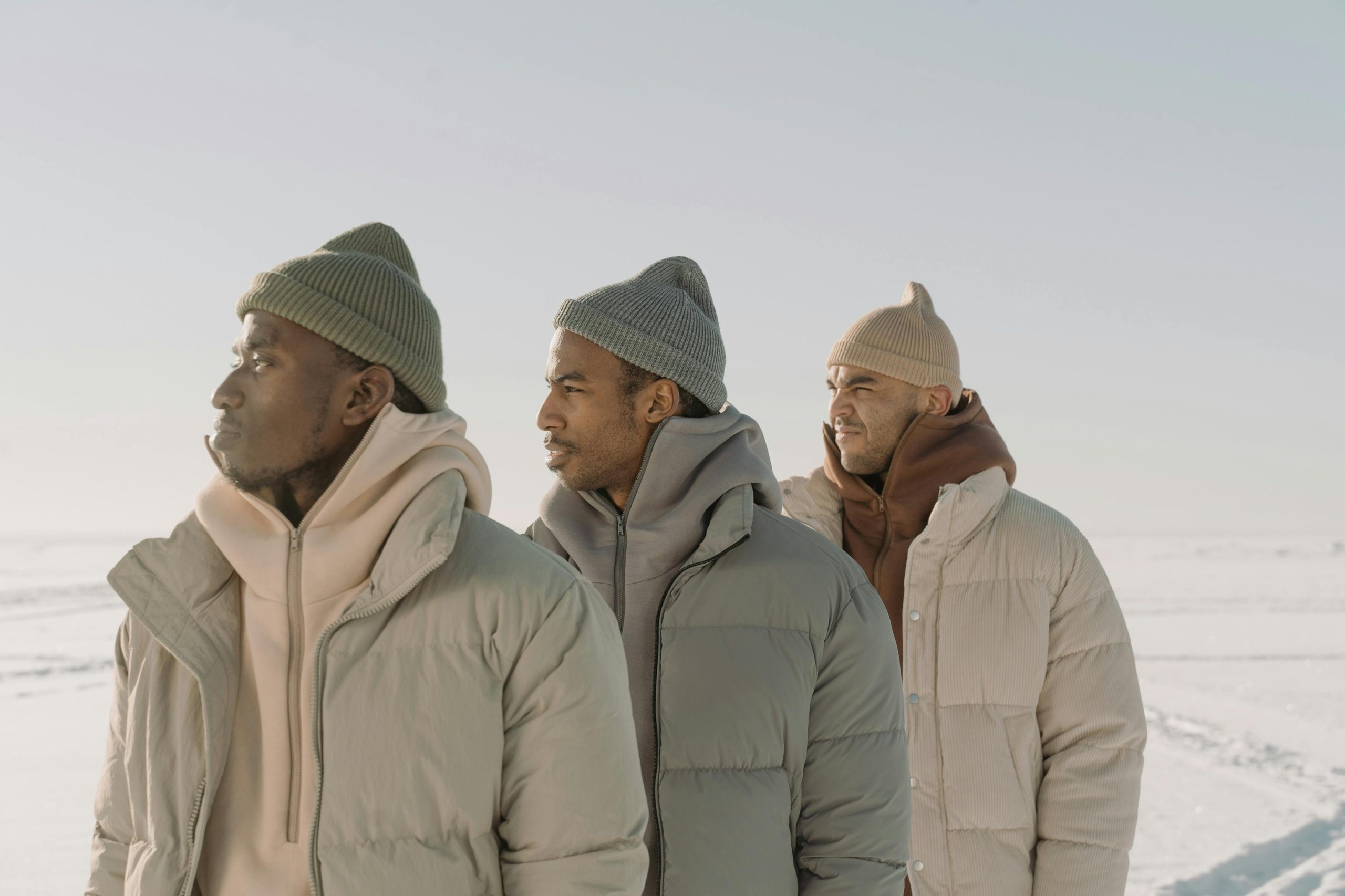
Dressing for One Day That Feels Like Three Different Seasons
It was one of those spring mornings when Olivia stepped outside wearing a thick sweater because the air felt chilly. By lunchtime, the temperature had climbed nearly twenty degrees, and she was carrying her sweater over one arm while wishing she had worn something lighter. Later that evening, as she walked home after dinner with friends, the wind picked up and the temperature dropped again. Suddenly, she wished she had never taken the sweater off.
The weather had changed three times in one day.
If you have ever experienced a cool morning, a warm afternoon, and a cold evening within the same twenty-four hours, you know how difficult it can be to choose the right outfit.
Across much of the United States, unpredictable weather is simply part of everyday life. One day may begin with sunshine and end with rain. A pleasant afternoon can quickly turn windy after sunset. Even during summer, heavily air-conditioned offices, movie theaters, and grocery stores can feel surprisingly cold.
Trying to find one outfit that works perfectly all day is almost impossible.
That is why layering has become one of the smartest ways to dress.
Layering is not about wearing bulky clothing or piling on as many garments as possible. It is about combining lightweight pieces that work together, allowing you to add or remove clothing as temperatures change throughout the day.
Once Olivia learned how to layer properly, she stopped worrying about unpredictable forecasts. Instead of hoping she had guessed the weather correctly, she simply dressed in a way that prepared her for whatever the day might bring.
Start with Comfortable Base Layers That Work All Day Long
Think about building a house.
The foundation is never the most noticeable part, but everything else depends on it.
Your outfit works the same way.
The first layer should be something comfortable enough to wear by itself if the day suddenly becomes warm.
A simple cotton T-shirt, lightweight long-sleeve shirt, polo, or breathable blouse works well for most casual situations. During cooler months, thin thermal tops or lightweight performance fabrics provide extra warmth without adding unnecessary bulk.
Olivia used to wear thick sweaters as her first layer.
Whenever the weather warmed up, she had no choice but to remove the sweater and wear an undershirt that was never meant to be seen.
After switching to quality T-shirts and lightweight tops, everything became much easier.
If temperatures rose unexpectedly, she could remove an outer layer and still look completely put together.
Choosing neutral colors also makes layering much more flexible.
White, black, navy, gray, beige, and olive pair naturally with almost every jacket, cardigan, overshirt, or coat. Instead of worrying about matching colors every morning, you can mix different pieces without much thought.
Comfort matters just as much as appearance.
Since the base layer stays closest to your skin throughout the day, breathable fabrics help regulate body temperature more effectively than overly heavy materials.
A good foundation makes every additional layer work better.
Add Lightweight Middle Layers That Give You Options Instead of Weight
One afternoon, Marcus left home wearing only a hoodie because the forecast predicted cool weather.
By lunchtime, the sun was shining brightly.
He tied the hoodie around his waist for the rest of the afternoon, wishing he had worn something more adaptable.
A few days later, he tried a different approach.
Instead of wearing one heavy sweatshirt, he started with a T-shirt and added a lightweight overshirt.
When the afternoon became warmer, he simply removed the overshirt and remained comfortable for the rest of the day.
That small adjustment completely changed how he dressed.
Middle layers are the most flexible part of any layered outfit.
They provide warmth when needed but are easy to remove when temperatures rise.
Lightweight sweaters, cardigans, flannel shirts, quarter-zip pullovers, casual overshirts, and denim jackets all serve this purpose well.
These pieces also add texture and depth to an outfit, making simple clothing appear more interesting without requiring bold colors or complicated styling.
Instead of relying on one thick garment, several lighter layers trap warmth more efficiently while giving you greater control over your comfort.
This approach also works well indoors.
Office buildings, shopping malls, restaurants, and airports often maintain temperatures very different from the weather outside. Being able to remove or add a middle layer helps you stay comfortable without constantly feeling too hot or too cold.
Choosing middle layers that fit comfortably over your base layer without feeling tight makes them much easier to wear throughout the day.
The goal is flexibility rather than bulk.
Finish with Outer Layers That Protect You from Changing Conditions
Saturday morning looked bright and sunny when Emma left for the farmers market.
She almost skipped bringing a jacket.
Fortunately, she grabbed a lightweight rain jacket before walking out the door.
Less than an hour later, dark clouds rolled in, followed by a brief rain shower that sent many shoppers running for cover.
Emma stayed dry, finished her shopping, and continued with the rest of her day.
The right outer layer often determines whether changing weather becomes a minor inconvenience or a major frustration.
Unlike base and middle layers, outerwear exists to protect against wind, rain, cold, and unexpected weather changes.
A lightweight waterproof jacket works well during spring and fall.
A trench coat offers protection from wind and light rain while remaining stylish enough for work or dinner.
A puffer jacket provides warmth during colder months without excessive weight, while a classic wool coat offers both insulation and timeless style.
Outer layers should be easy to remove and carry.
Bulky coats that become uncomfortable indoors often spend more time draped over chairs than being worn.
Accessories complete the layering system.
A lightweight scarf can make a cool morning much more comfortable while fitting easily into a bag later in the day.
A knit hat during winter, a baseball cap during sunny afternoons, or a compact umbrella tucked into a backpack all provide practical protection without adding much weight.
Footwear also deserves attention.
Water-resistant boots, comfortable sneakers, or versatile loafers allow you to adapt to changing conditions while remaining comfortable throughout the day.
One final habit makes layering even more effective.
Instead of checking only the morning forecast, take a quick look at the expected temperatures throughout the entire day. A forecast showing a forty-degree morning and a seventy-degree afternoon requires a very different outfit than one where temperatures remain steady.
Mastering the art of layering is not about owning more clothes. It is about choosing smarter combinations that work together. By starting with breathable base layers, adding lightweight middle layers, and finishing with practical outerwear, you can stay comfortable through cool mornings, warm afternoons, unexpected rain, and chilly evenings without feeling overdressed or unprepared. As the weather changes, your clothing changes with it, making every day a little more comfortable and every morning decision much easier.