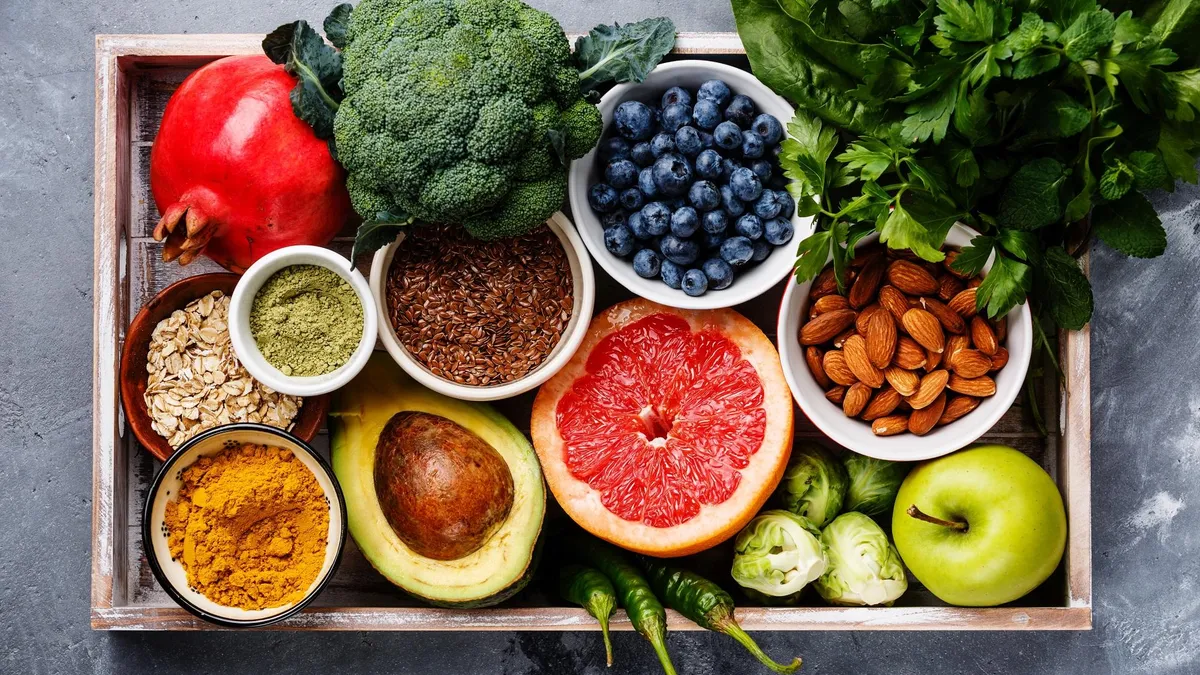
Healthy Eating Does Not Have to Begin with Expensive Ingredients
Walk through the health food section of almost any grocery store, and certain products immediately stand out. Bright packages advertise chia seeds, acai powder, spirulina, matcha, goji berries, and other so-called superfoods. Magazine covers and social media posts often describe them as nutritional powerhouses capable of transforming health with just a few servings.
It is easy to wonder whether these foods really deserve their reputation.
For many shoppers, the biggest surprise comes at the checkout counter. A small bag of specialty berries or powdered greens can cost several times more than everyday fruits and vegetables. That naturally leads to an important question.
Are superfoods truly essential for good health, or are they simply another marketing trend?
The answer lies somewhere in between.
Many foods labeled as superfoods are genuinely rich in vitamins, minerals, antioxidants, healthy fats, or fiber. They can certainly be part of a nutritious diet. However, no single food has the power to prevent disease, guarantee weight loss, or make up for an otherwise unhealthy eating pattern.
Good nutrition has never depended on one extraordinary ingredient.
Instead, it comes from consistently eating a wide variety of wholesome foods over time.
Understanding what superfoods actually offer—and where they fit into a balanced diet—can help shoppers make smarter choices without feeling pressured to spend more than necessary.
Some Superfoods Are Nutrient-Rich, but They Are Not Nutritional Miracles
The word “superfood” sounds scientific, but it is not an official nutritional category.
Instead, it is a popular term used to describe foods that contain high amounts of beneficial nutrients.
Blueberries, for example, are well known for providing antioxidants and vitamin C. Salmon supplies heart-healthy omega-3 fatty acids. Nuts offer healthy fats, protein, and important minerals. Leafy greens like spinach and kale provide vitamins, fiber, and a variety of plant compounds that support overall health.
Foods like these have earned their positive reputation because research consistently shows that diets rich in fruits, vegetables, whole grains, nuts, legumes, and fish are associated with better long-term health.
However, problems arise when marketing suggests that one particular food can perform extraordinary feats on its own.
Adding chia seeds to breakfast will not automatically improve an unhealthy diet filled with processed foods.
Drinking a smoothie with expensive powdered supplements cannot replace regular meals built around vegetables, lean protein, and whole grains.
Nutrition works through patterns rather than individual ingredients.
One serving of berries contributes to health.
Eating fruits and vegetables every day contributes much more.
Likewise, a handful of walnuts supports heart health as part of a balanced eating plan, but it is not a substitute for regular exercise, adequate sleep, or maintaining a healthy lifestyle overall.
The greatest strength of many superfoods is not that they are magical.
It is that they encourage people to eat more nutrient-dense foods.
Everyday Foods Often Deliver Similar Benefits for Much Less Money
Many people are surprised to discover that some of the healthiest foods in the grocery store are also among the most affordable.
Oats provide fiber that supports heart health and helps people feel full longer.
Beans and lentils are excellent sources of protein, fiber, and important minerals while costing only a fraction of many specialty products.
Sweet potatoes offer vitamin A, fiber, and complex carbohydrates that provide steady energy.
Oranges, apples, bananas, carrots, broccoli, cabbage, and frozen mixed vegetables all deliver impressive nutritional value without carrying premium price tags.
Even peanut butter, when chosen with minimal added sugar, provides healthy fats and protein at a relatively low cost.
Frozen fruits and vegetables deserve attention as well.
Because they are usually frozen soon after harvesting, they often retain much of their nutritional value while lasting much longer than fresh produce. They also reduce food waste because only the needed portion has to be used.
This means a nutritious smoothie can easily include frozen blueberries instead of expensive imported berries marketed as exotic superfoods.
Likewise, a bowl of oatmeal topped with fresh fruit and walnuts may provide a balanced, nutrient-rich breakfast without relying on costly supplements or specialty powders.
The lesson is not that premium superfoods should be avoided.
Rather, it is that everyday foods deserve far more recognition than they often receive.
A well-stocked kitchen built around affordable staples can provide nearly everything needed for a healthy diet.
The Healthiest Diet Is Usually the One You Can Maintain for Years
Nutrition trends change constantly.
One year, kale becomes the star ingredient.
Soon afterward, everyone seems to be adding matcha to drinks.
Another season brings renewed excitement about ancient grains or exotic berries from distant parts of the world.
While these foods may certainly have nutritional value, long-term health rarely depends on keeping up with every new trend.
Consistency matters much more than novelty.
A person who regularly eats vegetables, fruits, whole grains, lean proteins, dairy or fortified alternatives, healthy fats, and plenty of water is likely building stronger eating habits than someone who occasionally buys expensive superfoods but struggles to maintain a balanced diet.
Variety is equally important.
Different foods provide different nutrients, which is why nutrition experts encourage eating a wide range of colorful fruits and vegetables instead of relying heavily on one particular ingredient.
Budget should also be part of the conversation.
Healthy eating should feel sustainable both nutritionally and financially.
If purchasing expensive products creates stress or replaces other nutritious groceries, they may not be the best investment.
On the other hand, if someone genuinely enjoys foods like salmon, blueberries, chia seeds, or quinoa and they fit comfortably within the household budget, there is no reason to avoid them.
They can absolutely contribute to a healthy eating pattern.
The key is keeping realistic expectations.
No single food can compensate for poor sleep, chronic stress, lack of physical activity, or an overall unbalanced diet.
Health is built through everyday habits rather than occasional purchases.
The truth about superfoods is far less dramatic than many advertisements suggest. Many of these foods are genuinely nutritious and can certainly play a valuable role in a healthy diet. At the same time, they are not miracle ingredients, and they are not the only path to good nutrition. Affordable foods such as oats, beans, apples, broccoli, eggs, yogurt, sweet potatoes, and leafy greens provide remarkable nutritional benefits while fitting comfortably into most grocery budgets. Rather than searching for one perfect food, the smartest approach is to build meals around a wide variety of wholesome ingredients that are enjoyable, practical, and easy to eat consistently. In the end, the healthiest diet is not the one built around the most expensive superfoods—it is the one that can be maintained happily for years.