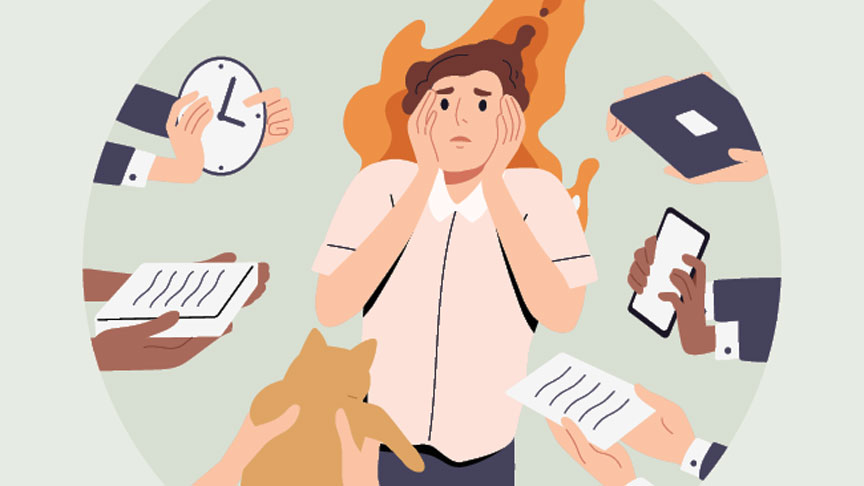
Burnout Rarely Happens Overnight
Most people do not wake up one morning and suddenly feel completely burned out.
Instead, it often begins with small changes that are easy to overlook.
Work becomes a little busier than usual. A few extra responsibilities are added to the calendar. Lunch breaks become shorter, evenings become longer, and weekends slowly fill with unfinished tasks. At first, it seems temporary. There is always the hope that things will settle down next week.
Sometimes they do.
Often, they do not.
As the weeks pass, feeling tired starts to become the new normal. Hobbies that once brought enjoyment begin to feel like chores. Motivation fades, patience becomes harder to find, and even simple tasks require much more effort than before.
Many people mistake these changes for ordinary stress.
Stress and burnout are related, but they are not exactly the same.
Stress usually feels like having too much to do. Burnout often feels like having nothing left to give.
Recognizing the early warning signs makes it much easier to respond before exhaustion becomes overwhelming. Like many health challenges, burnout is often easier to prevent than to recover from after it has taken hold.
Understanding how burnout develops is the first step toward regaining balance.
The Warning Signs Often Appear Long Before Complete Exhaustion
Burnout affects people differently, but many early signs tend to appear in similar ways.
Physical fatigue is often one of the first changes people notice.
Even after a full night’s sleep, energy may still feel unusually low. Everyday responsibilities that once seemed routine begin to feel mentally or physically draining.
Concentration may also become more difficult.
Reading the same paragraph several times, forgetting small details, struggling to stay focused during meetings, or making mistakes that rarely happened before can all signal that the mind is under prolonged strain.
Emotional changes are equally important.
Someone who is normally patient may become irritated more easily. Small inconveniences begin to feel much larger than they really are. Motivation gradually fades, and tasks that once felt meaningful may start to feel empty or repetitive.
Another common sign is feeling disconnected from work or daily responsibilities.
Projects that once created excitement may now feel like obligations that simply need to be completed. Creativity often declines, and enthusiasm becomes harder to maintain.
Physical symptoms sometimes appear as well.
Frequent headaches, muscle tension, difficulty sleeping, digestive discomfort, or getting sick more often can all be associated with prolonged periods of chronic stress.
Experiencing one of these symptoms occasionally does not necessarily mean someone is experiencing burnout.
However, when several of these changes continue for weeks without improving, they deserve attention rather than being dismissed as simply “having a busy month.”
The earlier these warning signs are recognized, the easier it becomes to make meaningful adjustments.
Small Daily Changes Can Help Prevent Burnout from Growing
When life becomes demanding, many people respond by working even harder.
Lunch breaks disappear.
Exercise is postponed.
Sleep becomes shorter.
Time with family and friends is replaced by another hour of work.
Although these choices may seem productive in the short term, they often reduce the very energy needed to perform well over time.
Recovery is not the opposite of productivity.
It is part of productivity.
Short breaks throughout the day allow the brain to recover from extended periods of concentration. Even standing up, stretching, walking for a few minutes, or stepping outside for fresh air can help restore focus.
Healthy routines outside of work also make a difference.
Regular physical activity, balanced meals, consistent sleep, and time spent doing enjoyable activities all contribute to emotional and physical resilience.
Setting boundaries is equally important.
Technology has made it possible to answer emails, messages, and work requests almost anywhere at any time. While this flexibility has many advantages, it can also make it difficult to fully disconnect.
Creating clear limits around work hours helps protect time needed for rest and personal life.
Learning to say no when responsibilities become unrealistic is another valuable skill.
Agreeing to every request may seem helpful, but consistently taking on more than can reasonably be managed often increases stress for everyone involved.
Asking for support should also be viewed as a strength rather than a weakness.
Whether that support comes from coworkers, friends, family members, or supervisors, sharing concerns early often prevents problems from becoming much larger later.
Long-Term Well-Being Depends on Balance, Not Constant Busyness
Modern culture often celebrates being busy.
Full calendars, long workdays, and constant productivity are sometimes treated as signs of success.
Yet staying busy is not the same as staying healthy.
True productivity depends on having enough physical and mental energy to perform consistently over time.
That energy requires regular recovery.
Building a sustainable lifestyle means recognizing that rest has value.
Vacations, weekends, hobbies, exercise, time with loved ones, and quiet moments away from work are not distractions from success. They help make success possible.
It is also helpful to remember that priorities naturally change throughout life.
Some seasons require greater effort because of important projects, family responsibilities, or major life events.
During those periods, intentionally creating opportunities for recovery becomes even more important.
No one can operate at maximum intensity every day without eventually feeling the effects.
Paying attention to personal well-being is not selfish.
It allows people to remain dependable, creative, thoughtful, and engaged over the long term.
Burnout often develops gradually, which is why its earliest warning signs are so easy to overlook. Persistent fatigue, declining motivation, difficulty concentrating, emotional exhaustion, and growing frustration can all signal that the mind and body need more recovery than they are receiving. By recognizing these changes early, protecting time for rest, setting healthy boundaries, maintaining supportive daily habits, and asking for help when needed, it becomes possible to restore balance before burnout takes deeper hold. Lasting success is not measured by how long someone can keep pushing without stopping. It is built by creating a sustainable rhythm that allows both productivity and well-being to grow together over time.