Sitting All Day Can Leave the Body Feeling More Tired Than Active
A typical workday often begins by sitting down at a desk. Emails are answered, meetings fill the calendar, reports need attention, and before long, several hours have passed without much movement at all. Lunch may provide a short break, but the afternoon often looks much the same. By the time the workday ends, the body feels stiff, the shoulders are tight, and energy seems surprisingly low.
It feels like a contradiction.
After all, spending most of the day sitting should leave plenty of energy to spare. Instead, many people finish work feeling physically and mentally drained.
The explanation is simpler than it first appears.
The human body was designed to move regularly throughout the day. Remaining in one position for long periods can reduce circulation, tighten muscles, and contribute to feelings of fatigue. Concentration may also begin to fade after hours of uninterrupted sitting, making even familiar tasks seem more difficult.
Many people believe the solution is spending an hour at the gym every evening.
Regular exercise is certainly valuable, but it is not the only way to stay active.
Small periods of movement spread throughout the day can also make a meaningful difference.
These short bursts of activity are often called micro-workouts. They usually last anywhere from one to five minutes, require little or no equipment, and fit easily into even the busiest work schedule.
Rather than replacing traditional exercise, they help reduce the long stretches of inactivity that have become common in modern workplaces.
Small Movements Repeated Throughout the Day Add Up
Imagine two different workdays.
In one, someone remains seated for nearly four hours before standing up for lunch. The afternoon follows the same pattern, with very little movement until it is finally time to go home.
In the second workday, that same person stands up every hour for a few minutes, stretches, walks to refill a water bottle, or performs a few simple exercises beside the desk.
Neither routine requires a significant amount of extra time.
The difference is simply how movement is distributed throughout the day.
Standing up and walking for two or three minutes every hour helps activate muscles that have remained inactive during prolonged sitting. Gentle neck stretches can reduce tension that develops after looking at a computer screen for extended periods. Shoulder rolls, arm circles, and light back stretches help improve mobility while encouraging better posture.
Leg muscles also benefit from regular movement.
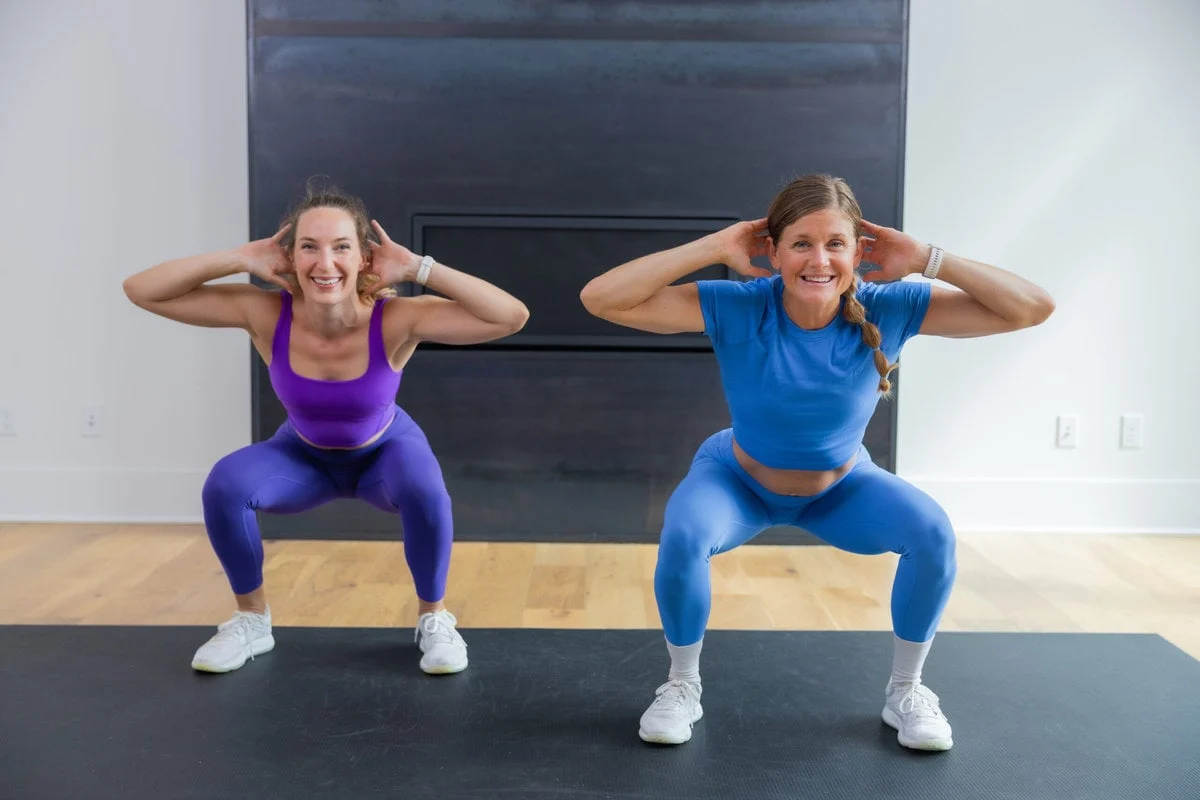
Bodyweight squats, calf raises, or simply walking around the office for a few minutes encourage blood flow and help reduce stiffness.
Even climbing a flight of stairs instead of taking the elevator adds meaningful activity without requiring a separate workout session.
Desk-friendly exercises can be surprisingly effective.
Chair squats, wall push-ups, standing knee lifts, or gentle torso twists require only a small amount of space while engaging multiple muscle groups.
Individually, these exercises may seem too brief to matter.
Performed consistently throughout the week, however, they contribute to a more active daily routine.
The body responds well to regular movement, even when it happens in small amounts.
Movement Benefits the Mind Just as Much as the Body
Micro-workouts are not only about physical health.
They can also improve mental performance during busy workdays.
After concentrating on a computer screen for an extended period, attention naturally begins to decline. Many people notice themselves reading the same sentence several times or struggling to stay engaged during long projects.
A brief movement break often provides the mental reset that another cup of coffee cannot.
Walking for a few minutes, stretching, or simply standing while making a phone call allows the brain to shift focus before returning to work with renewed attention.
Fresh air can make these breaks even more refreshing.
If possible, stepping outside for a short walk during lunch or between meetings provides natural light, changes the environment, and offers an opportunity to rest the eyes from digital screens.
Movement also helps reduce the muscle tension that often develops during stressful days.
Shoulders gradually relax, the neck becomes less stiff, and sitting posture naturally improves after standing and stretching.
These physical improvements often make it easier to stay comfortable throughout the afternoon.
Many people also find that regular movement improves their mood.
A few minutes away from the desk creates a natural pause in the day, making stressful situations feel more manageable when work resumes.
These moments do not interrupt productivity.
They often support it.
Building a More Active Workday Does Not Require a Complete Lifestyle Change
One reason people struggle to become more active is that they imagine exercise must always involve a lengthy workout.
When the schedule becomes busy, that expectation can make movement seem impossible.
Micro-workouts offer a different perspective.
Instead of asking where an extra hour can be found, they encourage using the small opportunities that already exist.
Standing while reading a document, walking during phone calls, stretching before meetings, taking the stairs, parking slightly farther away, or setting a reminder to move every hour are all simple habits that fit naturally into daily life.
Consistency matters much more than intensity.
Moving for three minutes several times during the day often provides greater benefits than remaining completely inactive until one evening workout.
Of course, regular exercise remains an important part of a healthy lifestyle.
Walking, cycling, strength training, swimming, or other planned activities continue to support long-term fitness and overall health.
Micro-workouts simply help bridge the gap between those exercise sessions by reducing the long periods of sitting that have become common in many workplaces.
The goal is not perfection.
Some days will naturally involve more movement than others.
The important part is developing the habit of looking for opportunities to move instead of waiting for the perfect time to exercise.
A more active lifestyle is often built one small decision at a time.
Long hours at a desk do not have to mean spending the entire day without movement. Short activity breaks, gentle stretches, brief walks, and simple bodyweight exercises can all be incorporated into a busy schedule without disrupting work. These micro-workouts help improve circulation, reduce muscle stiffness, refresh concentration, and support better overall well-being. While they do not replace regular exercise, they offer a practical way to stay active throughout the day and reduce the effects of prolonged sitting. Sometimes the most effective health habits are not the ones that require the most time—they are the small, consistent actions repeated day after day.